Home Window Tinting: Guide & Benefits
Explore home window tinting: benefits, film types, costs, and how to choose a trusted installer.
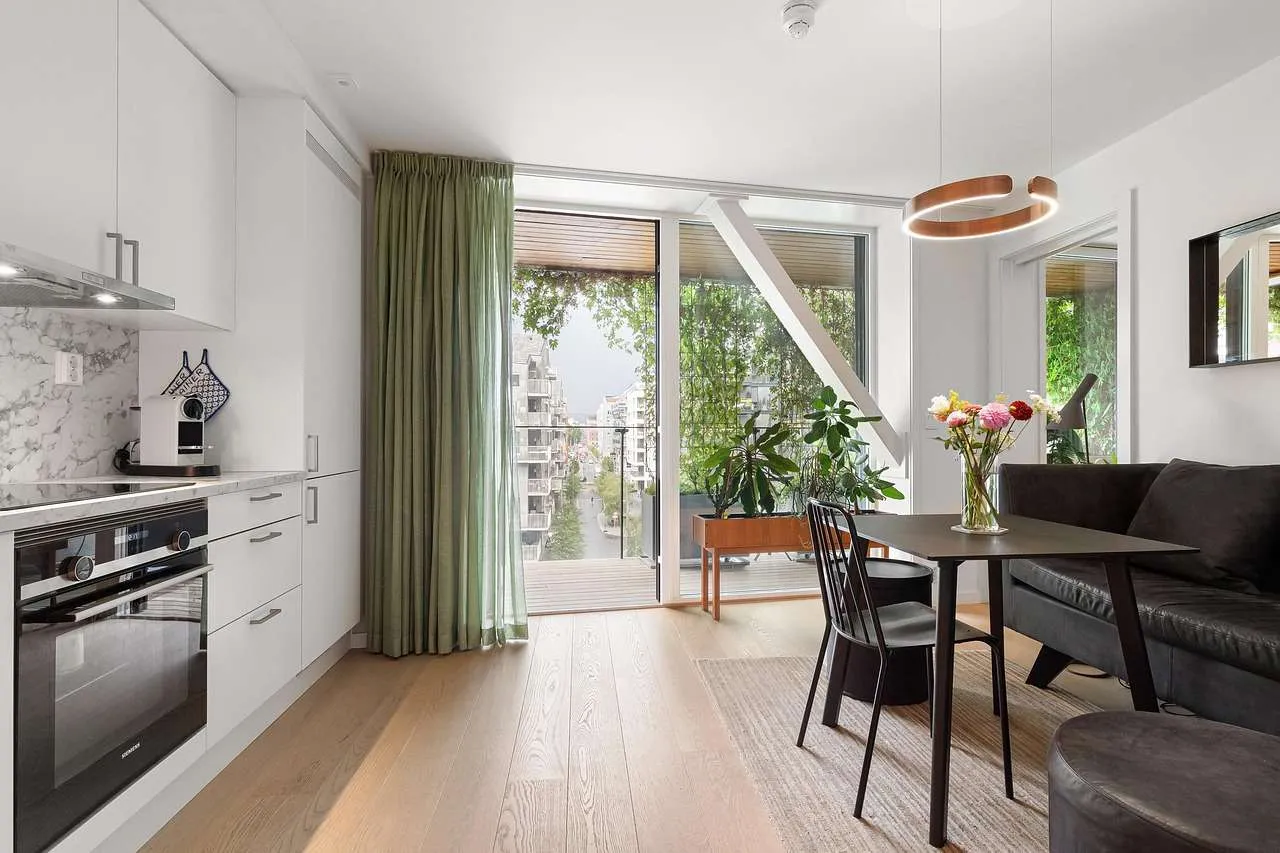
What is home window tinting
Home window tinting is the application of a thin optical film to interior surfaces of glass windows to control heat, light, and privacy. Modern films block most infrared radiation and ultraviolet rays while letting in visible light. They can be installed on most residential glazing, including double pane units, and are designed to be durable and relatively maintenance-free. A licensed installer assesses the window condition, climate, and orientation to recommend the right shade and film type.
Benefits of home window tinting
- Energy efficiency: By blocking infrared heat, tinted windows reduce cooling loads and can lower monthly energy bills.
- UV protection: Most window films reject up to 99% of UV rays, helping preserve furniture and flooring from sun damage.
- Glare reduction: Tinting reduces harsh glare on screens and in rooms with strong sun exposure.
- Privacy and security: Tinting adds daytime privacy and can deter break-ins when combined with laminated or safety films.
- Safety and durability: Film helps hold shattered glass together during impact, reducing risk of injury.
- Aesthetics and value: Uniform shade can enhance curb appeal and interior design, with options from subtle to dramatic.
Types of films for homes
Residential films vary in performance and price. The main categories are:
- Dyed films: Affordable and good for privacy, but can fade over time and offer moderate heat rejection.
- Metalized films: Excellent heat rejection but may interfere with electronics and appear mirrored from the outside at some angles.
- Ceramic films: Higher cost but superior heat rejection, clarity, and UV protection without metal or signal interference.
- Low emissivity coatings: Often used with insulations to reflect infrared heat and improve energy performance.
Film comparison
| Film Type | Visible Light Transmission | UV Rejection | Heat Rejection | Pros | Cons |
|---|---|---|---|---|---|
| Dyed | 60 - 90% | >99% | Moderate | Low cost, good privacy | Can fade, lower durability |
| Metalized | 40 - 60% | >99% | High | Excellent heat control, added privacy | Possible electronics interference |
| Ceramic | 40 - 70% | >99% | High | Clear view, strong performance, non metal | Higher upfront cost |
| Low Emissivity | 30 - 70% | High | High | Energy savings, modern look | Cost varies by brand |
Choosing a contractor
For safe and lasting results, hire a licensed window film installer with experience in residential applications. Ask for examples and references, confirm warranty terms, and request the exact product SKU and performance data (SHGC, VLT, UV rejection). Professional installation ensures proper surface preparation, clean edges, and long-term adhesion. Check local regulations regarding visible tint limits and privacy laws, and verify whether the installation affects home insurance or home energy ratings.
Maintenance and safety
Care for tinted windows is simple. Clean with mild, non ammonia solutions and a soft cloth to avoid scratching the film. Avoid abrasive pads and harsh solvents. Allow the film to cure as recommended by the installer, typically 1 to 2 weeks for full adhesion. Inspect edges periodically for peeling and address issues promptly with the installer.
Costs and return on investment
Costs vary by film type, window area, and installation complexity. Expect a range roughly from a low- to mid-range per square foot for dyed or basic films to higher per square foot for ceramic or Low-E options. A typical home may see a payback through energy savings, reduced glare, and longer-lasting furnishings. While upfront cost matters, a reputable installer will provide a transparent quote and a warranty covering adhesion and tint strength for years.
Conclusion
Though each home and climate are different, home window tinting offers measurable benefits when matched to the right film and installed by a qualified professional. By understanding the options, you can balance comfort, energy efficiency, and aesthetics for lasting value.
Summary Home window tinting delivers energy savings, UV protection, glare reduction, and enhanced privacy when you choose the right film and a qualified installer, and maintain the film over time.