Small Bathroom Ideas: Clever Tiny-Space Design
Small bathroom ideas to optimize space with smart layouts, fixtures, lighting and storage.
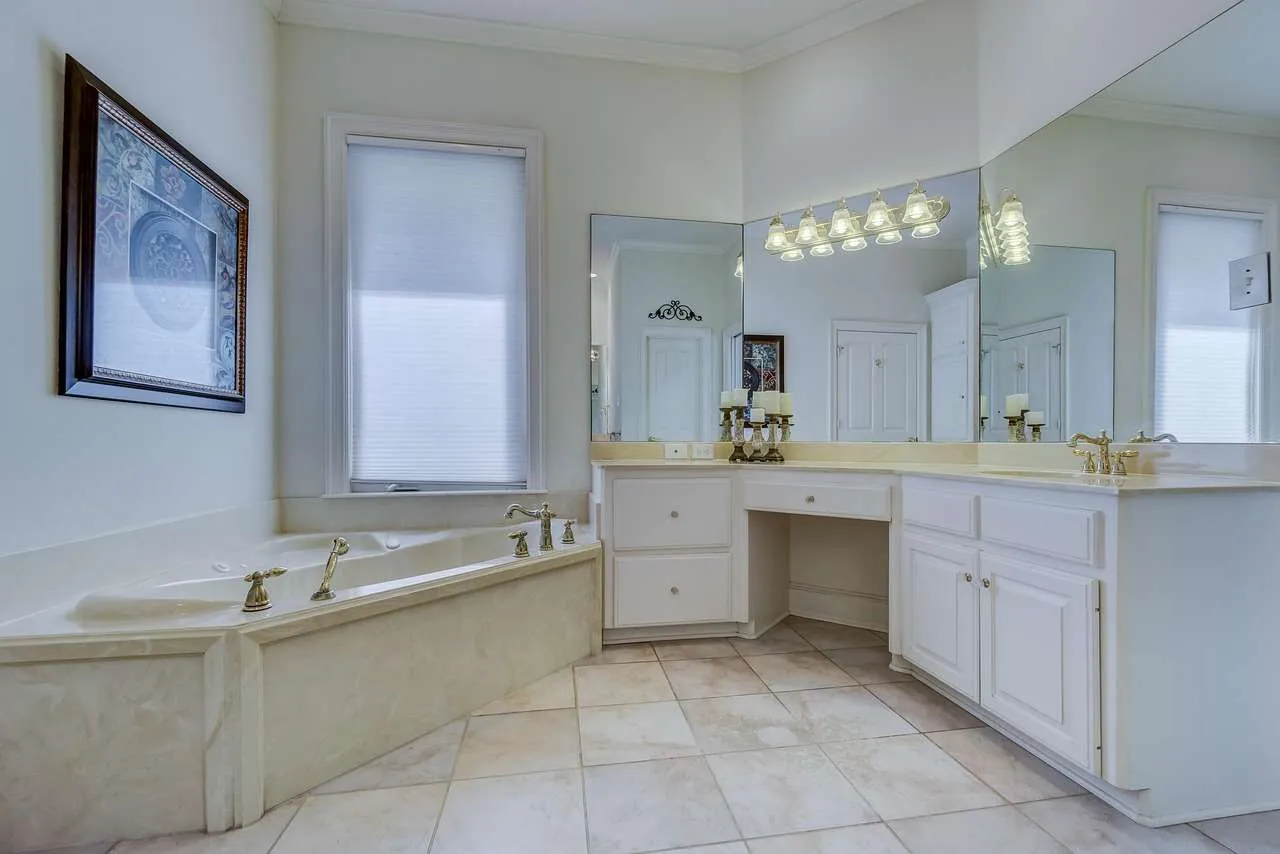
As homeowners know, small bathroom ideas matter when every inch counts. The goal is to make the space feel larger, be easier to clean, and function efficiently. The following guidance blends timeless design principles with practical, evidence-based strategies to help you plan with confidence.
Smart Layouts for Small Bathrooms
Start with this core rule: keep the essential fixtures—shower, toilet, sink—in a logical sequence and minimize the distance between them. A well-planned layout reduces clutter and streamlines daily routines.
Maximize vertical space
Vertical solutions unlock storage without stealing floor area. Install tall, slim medicine cabinets, wall-hung vanities, and open shelving that reaches toward the ceiling. Mirror panels or a full-length mirror can bounce light and visually extend the room.
Zoning and traffic flow
Use glass shower enclosures or curtains to separate wet and dry zones while maintaining openness. Place the toilet behind a partial wall or angled panel when possible, and ensure at least 30 inches of clearance in front of the sink for comfortable use.
Fixtures and Fittings that Save Space
Choose compact, wall-mounted or sliding options to free floor space. Each choice should be rated for moisture resistance and durability to support long-term EEAT principles.
- Wall-mounted toilet or compact one-piece model to reduce bulk and allow easier cleaning.
- Wall-hung vanity with shallow depth; pair with a recessed sink to keep the counter tidy.
- Corner basin or rounded rectangular basin to keep corners free for movement.
- Frameless glass shower doors or curved, corner showers to minimize visual obstruction.
- Sliding or pocket doors to eliminate swing space.
Color, Material and Lighting Strategies
Light colors reflect more light, making a small bathroom feel airy. Pair glossy ceramic tiles with large-format porcelain to reduce grout lines. Materials like quartz or solid surface resist moisture and scuffing, helping bathrooms stay clean with less effort.
Lighting should be layered: a bright ceiling light for overall visibility, plus vertical sconces or mirror lighting for tasks. A well-placed skylight or window (if available) can provide natural light without sacrificing privacy. Use mirrors smartly: a large mirror or mirrored cabinet multiplies perceived space.
Storage Solutions: Practical and Stylish
Storage is the backbone of small bathroom ideas. The aim is to hide clutter while keeping essentials at hand. Consider built-in niches, floating shelves, and vanity interiors that maximize every square inch.
| Option | Pros | Best Use |
|---|---|---|
| Medicine cabinet | Reveals extra storage without enlarging the footprint | Toiletries near the sink |
| Wall-mounted vanity | Keeps floor clear; shallow depth fits tight widths | Small powder rooms |
| Corner shelves | Uses dead corners; easy to reach | Near shower or behind door |
| Recessed niches | Hidden storage in shower/bath areas | Wet zones |
| Sliding shower door | No swing space; visually lighter | Shower enclosures |
Maintenance, Safety and Budget Considerations
Invest in materials with proven moisture resistance and easy maintenance. Choose products with solid warranties and opt for professional installation when needed. Budget-smart decisions, like repainting rather than full remodeling, can deliver meaningful improvements with lower risk.
From Ideas to Reality: A Quick Plan
1) Measure precisely and map plumbing locations. 2) List must-haves vs nice-to-haves. 3) Sketch layouts and test with a digital planner. 4) Select space-saving fixtures and a cohesive color palette.
Conclusion, By prioritizing layout efficiency, space-saving fixtures, and smart storage, small bathroom ideas create a room that feels larger, functions better, and remains durable over time. Think vertical storage, reflective surfaces, and high-quality, moisture-resistant materials to achieve a balanced, stylish result.